

By Clifford Ejenavi
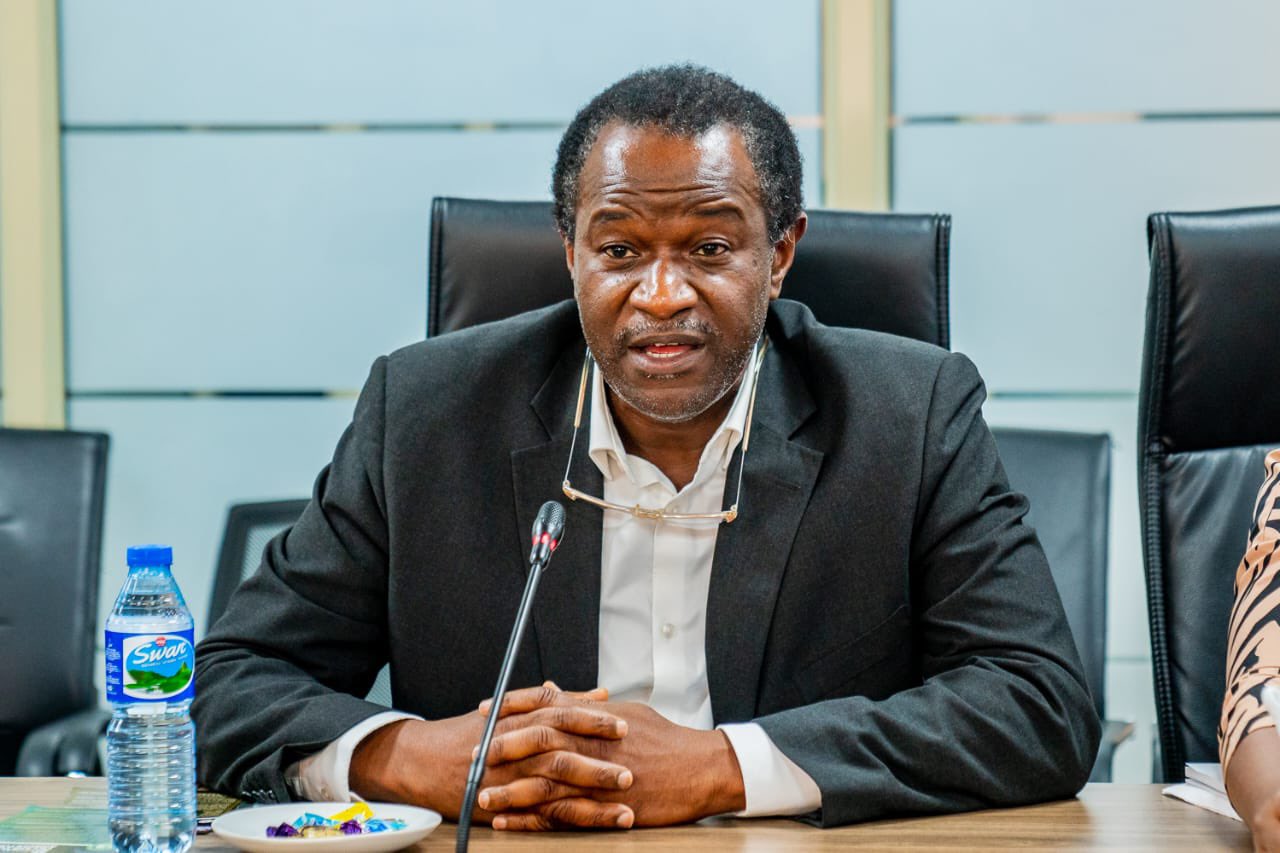
As the Federal Government intensifies efforts to reform Nigeria’s education sector, the Nigeria Education Loan Fund (NELFUND) under its pioneer Managing Director/Chief Executive, Mr. Akintunde Sawyerr, has emerged as one of the most visible, efficient and transformative pillars of President Bola Ahmed Tinubu’s administration. With an expanding national footprint that now covers the six geo-political zones, 626 accredited tertiary institutions and more than 788,000 student beneficiaries, NELFUND is increasingly taking a bold intervention, rewriting the narrative of access, equity and opportunity in tertiary education.
What began as a strategic component of the Renewed Hope Agenda, Mr. Sawyerr has quickly made it evolved into a nationwide movement, a model demonstrating how targeted public financing can restore confidence in the nation’s education system and uplift millions of families.
From the bustling universities of the South-West to the fast-growing Polytechnics of the North-Central, NELFUND’s expansion has been rapid and systematic. Stakeholders say the Fund has succeeded where many previous education financing schemes struggled, building trust, leveraging technology, and creating an inclusive application system that recognises the financial realities of Nigerian families.
Across the country, testimonies highlight the programme’s reach. In the South-East, thousands of students in federal and state tertiary institutions describe the scheme as a “rescue line” amid rising tuition pressures. In the North-West, where enrollment gaps have historically been linked to financial constraints, NELFUND’s uptake among first-generation university students has surged. In the Niger Delta, communities view the scheme as a democratizing force, giving children of low-income fishermen, artisans and traders access to higher education previously beyond their reach.
With 626 registered tertiary institutions now linked to the platform including Universities, Polytechnics, Colleges of Education and innovative enterprise institutions, NELFUND has effectively built a nationwide ecosystem for sustainable student support.
One of the most remarkable indicators of NELFUND’s growing credibility is the consistent rise in beneficiaries. Recent reports show that over 788,000 Nigerian students have successfully accessed the loan scheme, a figure that continues to climb with each application cycle.
Education stakeholders describe the milestone as historic. “The volume of beneficiaries under NELFUND in less than two years rivals the combined output of past interventions over a decade,” says an Abuja-based education policy analyst. “This is a sign of deepening trust in government-backed solutions,” he added.
For many families, especially those in rural communities and urban low-income areas, the loan has eased the burden of school fees, materials, accommodation, research costs, and other academic expenses that often force students to drop out or defer their studies.
As a strategic pillar of the Renewed Hope Agenda, President Tinubu has repeatedly emphasised education as the cornerstone of national development. NELFUND embodies this commitment by providing financial empowerment that aligns with broader goals of youth development, national productivity and poverty reduction.
NELFUND is a legacy project, one that signals to Nigerians that government can be both responsive and innovative. Through digital onboarding, verification processes, and institution-level collaborations, the Fund has set new standards of transparency and accountability. Its operational structure allows real-time monitoring, automated disbursements, and data-driven insights that ensure beneficiaries receive timely support.
Across campuses nationwide, students speak of renewed motivation. At a university in the North-East, a beneficiary said, “NELFUND has removed my biggest worry, school fees. Now I can focus on graduating with good grades.”
In the South-South, a Polytechnic student described the scheme as “the most life-changing intervention for students in the region.” Institutional leaders also report improvements in enrollment stability, reduced student debt to institutions, and better financial planning within bursary departments.
While the achievements of NELFUND are widely acknowledged, Mr. Sawyerr stressed that the journey is far from over. “Plans are underway to expand the scheme, onboard additional institutions, strengthen repayment frameworks, and incorporate vocational trainees who traditionally fall outside mainstream tertiary systems,” he revealed.
Education activists are calling for wider public sensitisation to ensure no Nigerian student remains unaware of the opportunity the loan provides. Yet, one reality remains clear, NELFUND has already established itself as one of the most impactful social investment vehicles in modern-day Nigeria, reshaping lives, transforming communities and amplifying President Tinubu’s promise to deliver Renewed Hope to every corner of the nation.

